 QuietFlame
Blog
Breathing techniques & apps
Learn practical breathing techniques for sleep, stress, and daily calm — plus honest app comparisons to help you build the habit.
-

Why You Still Can't Relax After Work (Even When the Day Is Over)
Why evenings stay wired after work: no hard stop, Slack leaks, late downshifts, and fake rest. Fix the failure points — then breathe before dinner, not only at bedtime.
-

Best Free Breathing Apps (No Subscription Required to Start)
A free-first guide to breathing apps you can start without paying — what “free” really means, how to build the habit before upgrading, and where QuietFlame’s included sessions fit.
-

Breathing Exercises for ADHD Focus (Short Sessions That Stick)
Short, low-cognitive-load breathing for focus when attention is scattered — not ADHD treatment. Pre-work settles, screen-apnea resets, and Focus-goal guided sessions.
-

How to Build a Breathing Habit That Sticks (21-Day Guide)
A realistic 21-day plan to build a breathing habit: short sessions, one cue, streak-friendly minima, and guided pacing when counting fails at night.
-

Guided Breathing vs Unguided: Which Works Better for Habits?
Guided breathing usually wins for habit stickiness — especially at night — because counting is one more task. Unguided still works when you want portability and quiet.
-

Can Breathwork Replace Meditation? (Honest Answer)
Breathwork can replace meditation for calm, sleep, and stress downshifts — but not for every goal meditation trains. Here is an honest comparison and how to choose one tool.
-

Best Breathing Technique for People Who Hate Meditation
Hate sitting still with a blank mind? Use soft longer-exhale breathing instead — no mantras required. A simple pattern plus an optional guided scene and sound.
-

Morning vs Evening Breathing: Which Is Better for You?
Morning breathing supports focus and a steadier start; evening breathing closes the day and helps sleep. Here is how to choose — or use both without overcomplicating.
-

Breathing Exercises for Tension Headaches (Gentle Patterns Only)
Gentle longer-exhale and diaphragmatic breathing for tension headaches — how to soften neck and jaw bracing without over-breathing. Not a migraine cure.
-

How to Breathe During a Panic Attack (Step-by-Step)
A gentle step-by-step way to breathe during a panic attack: small inhales, longer exhales, no forcing. Practice on calm days too — and know when to get help.
-

Evening Routine for Remote Workers (Close the Laptop Properly)
A practical evening routine for remote workers: hard-stop Slack, dump open loops, and use longer-exhale breathing as the real close after the last message.
-

Breathing Exercises for Chronic Stress (A Realistic Daily Plan)
Chronic stress needs a boring daily breathing plan, not a complex protocol. Here is a realistic morning, spike, and evening routine you can actually keep.
-

How to Calm Down Before a Job Interview in 5 Minutes
A practical five-minute pre-interview reset: longer-exhale breathing, a quick physiological sigh option, and a Focus/Relax guided session before you walk in.
-

Breathwork for Better HRV: What the Research Actually Says
Breathwork can influence heart rate variability, especially with slow paced practice. Here is what HRV means, what the evidence supports, and a practical routine that favors consistency over hype.
-

Physiological Sigh Technique Explained (When and How to Use It)
The physiological sigh is a double inhale through the nose plus a long exhale. Here is how to do it, when it helps acute stress, and when to choose slower evening breathing instead.
-

Coherent Breathing (5.5 Breaths Per Minute) Explained
Coherent breathing means about 5 to 6 breaths per minute — often ~5.5 — with a smooth equal inhale and exhale. Here is what it is, why people use it, and how to practice.
-

Diaphragmatic Breathing for Beginners: How to Start Tonight
Learn diaphragmatic breathing without forcing a big belly push. A gentle beginner setup, common mistakes, and a five-minute routine you can use tonight.
-

Why Deep Breathing Sometimes Makes Anxiety Worse
Forced deep breaths can increase dizziness, air hunger, and panic. Here is why that happens — and the gentler longer-exhale approach that usually works better.
-

Vagus Nerve Breathing Exercises Explained (What Actually Works)
Vagus nerve breathing is mostly longer-exhale, slow paced breathing — not mystical hacks. Here is what the phrase means, what helps, and how to practice tonight.
-

Best Breathing Pattern for Panic at Night (Gentle and Safe)
When panic hits at night, big deep breaths can make it worse. Here is a gentle longer-exhale pattern that is safer to try in bed — plus when to get help.
-

Wim Hof vs Slow Breathing for Sleep: Which Helps More?
Wim Hof breathing is high-arousal by design. Slow evening breathing is built for downshifting. Here is which helps sleep more — and when each belongs.
-

A Phone-Free Bedtime Routine That Actually Works
Build a realistic phone-free bedtime routine: a clear cutoff, a short replacement sequence, and an optional guided breathing session before the phone goes away.
-
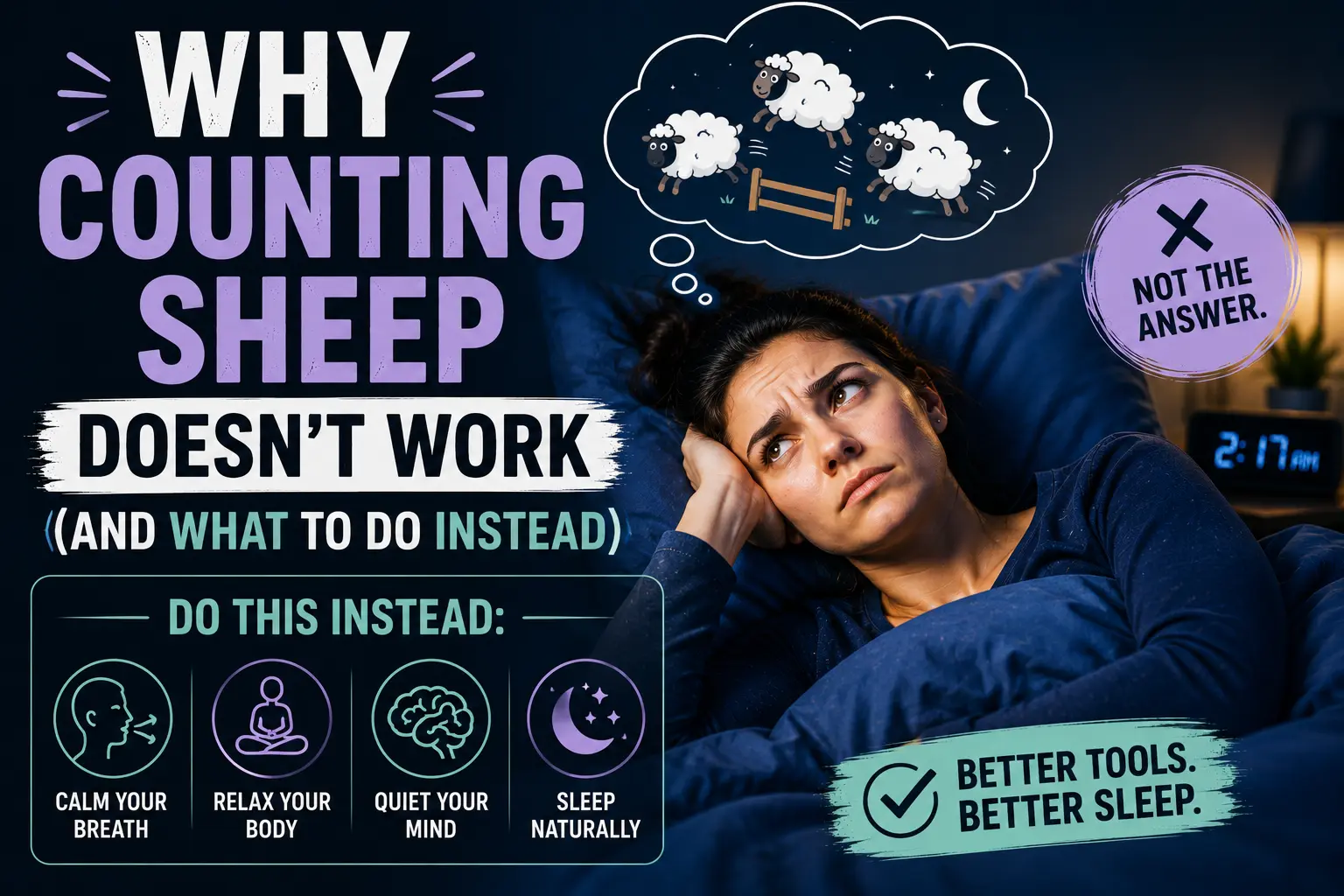
Why Counting Sheep Doesn't Work (And What to Do Instead)
Counting sheep keeps your thinking brain online when sleep needs the opposite. Here is why the old trick fails, and what to do instead for a quieter night.
-
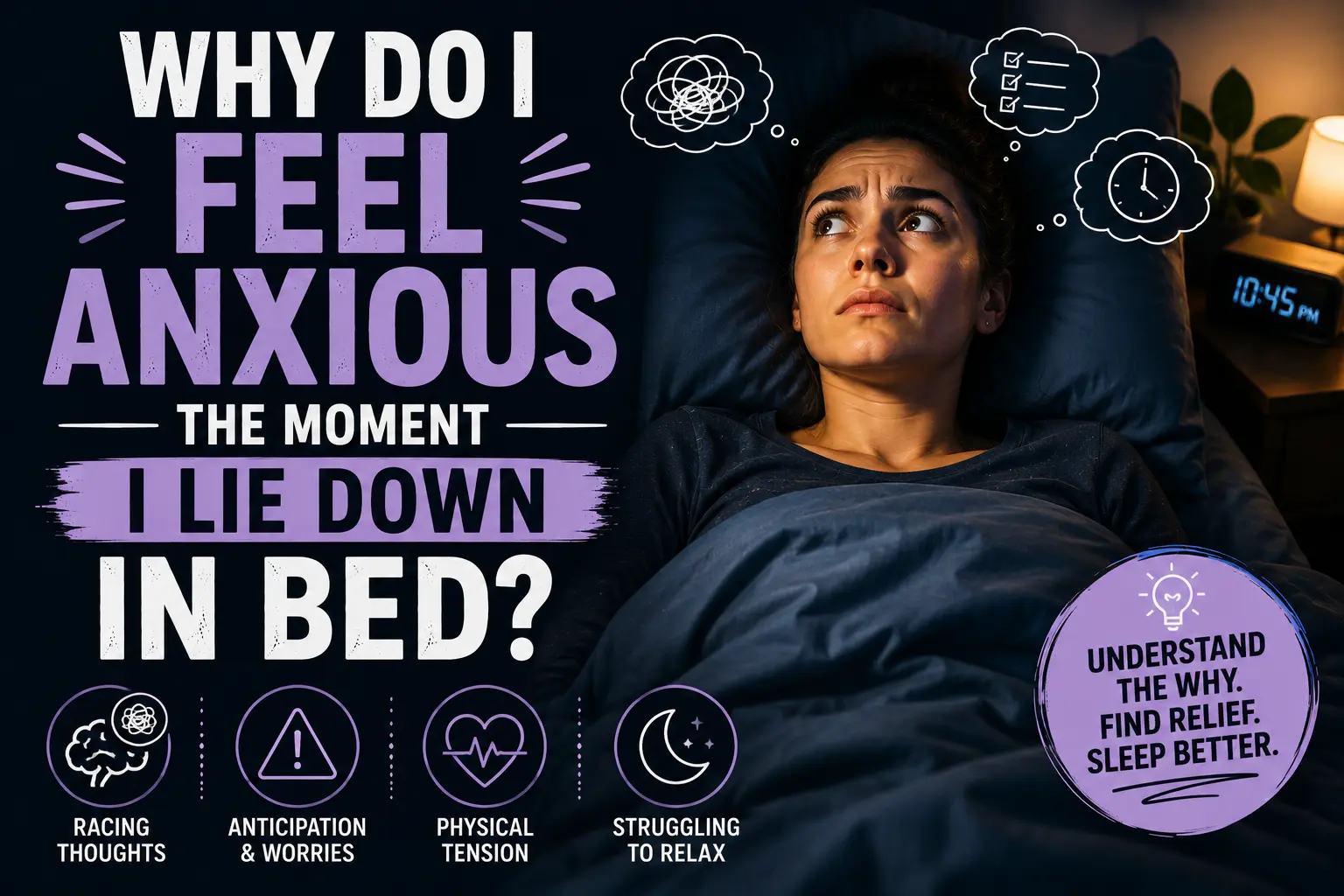
Why Do I Feel Anxious the Moment I Lie Down in Bed?
Bedtime anxiety is common and often misunderstood. Here is why it shows up when the lights go off, what is happening in your body, and what actually helps before sleep.
-
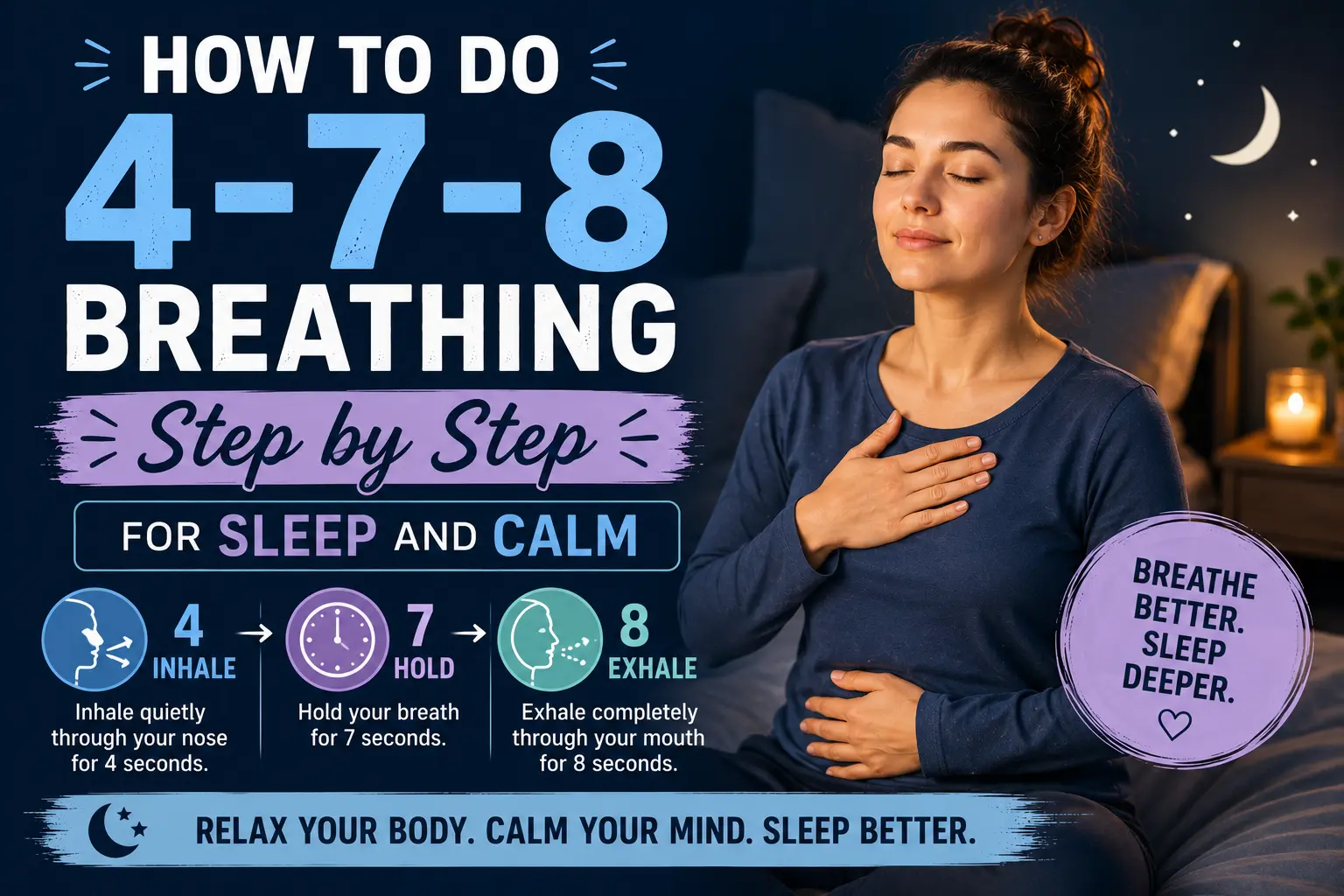
How to Do 4-7-8 Breathing Step by Step (For Sleep and Calm)
Learn the 4-7-8 breathing technique with clear steps, common modifications, and a simple way to use it before bed without forcing sleep.
-
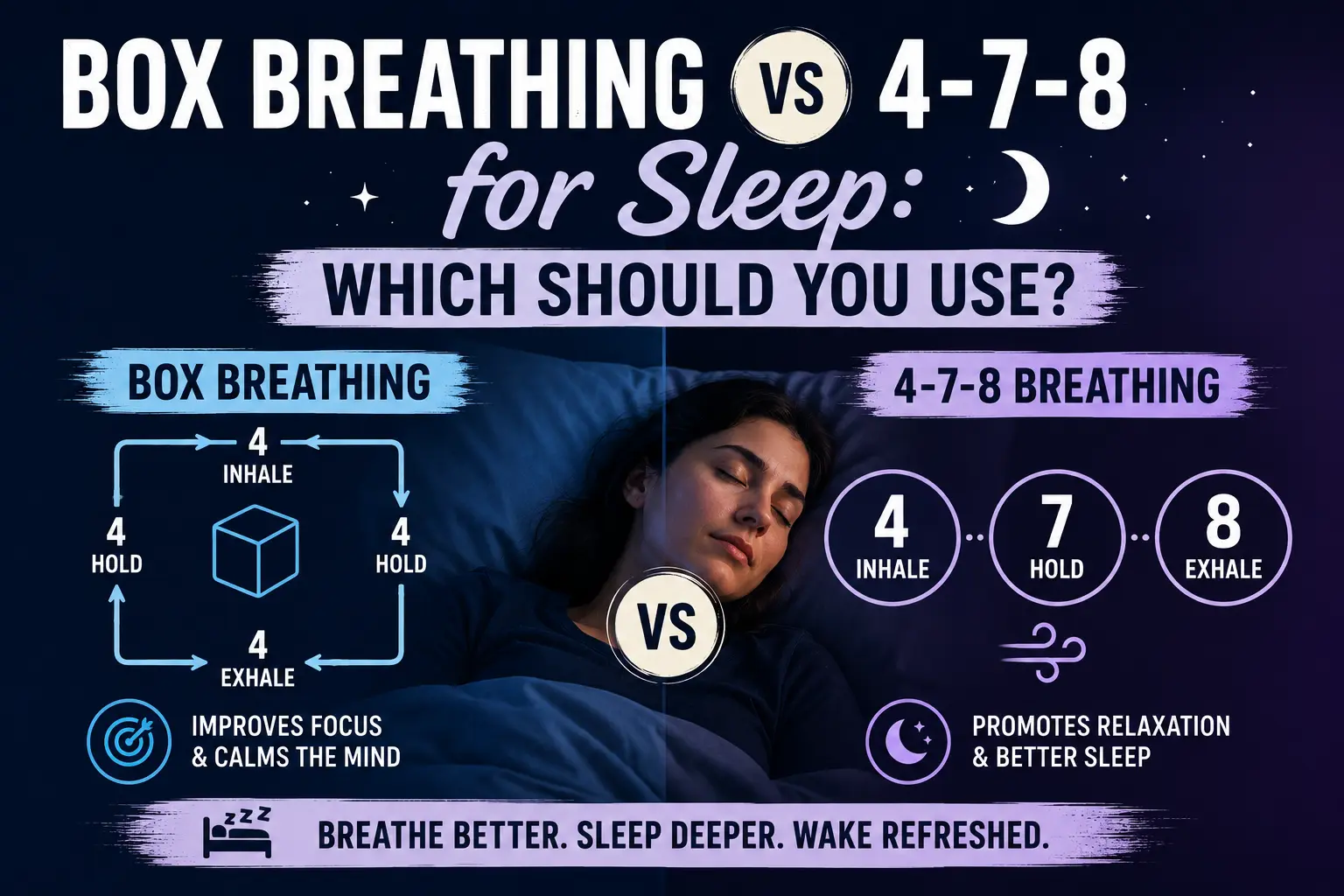
Box Breathing vs 4-7-8 for Sleep: Which Should You Use?
Both box breathing and 4-7-8 can calm you before bed - but they work differently. Here is how each technique works, who each suits, and which to use for sleep.
-
How to Create a 2-Minute Wind-Down Routine That Actually Sticks
Most wind-down routines fail not because the advice is wrong but because they ask too much. Here is how to build one that takes two minutes, works with how habits actually form, and compounds into something meaningful over time.
-
Why Do I Hold My Breath While I Work?
You are doing it right now and probably do not know it. Holding your breath or breathing shallowly at a screen is so common it has its own name - and its effects on your stress levels, focus, and energy are more significant than most people realize.
-

Why a 5-Minute Breathing Reset Before Bed Is Important
Evening stress keeps your body on alert long after the day ends. Here is why a short breathing reset before bed matters - and how five minutes can help you unwind.
-
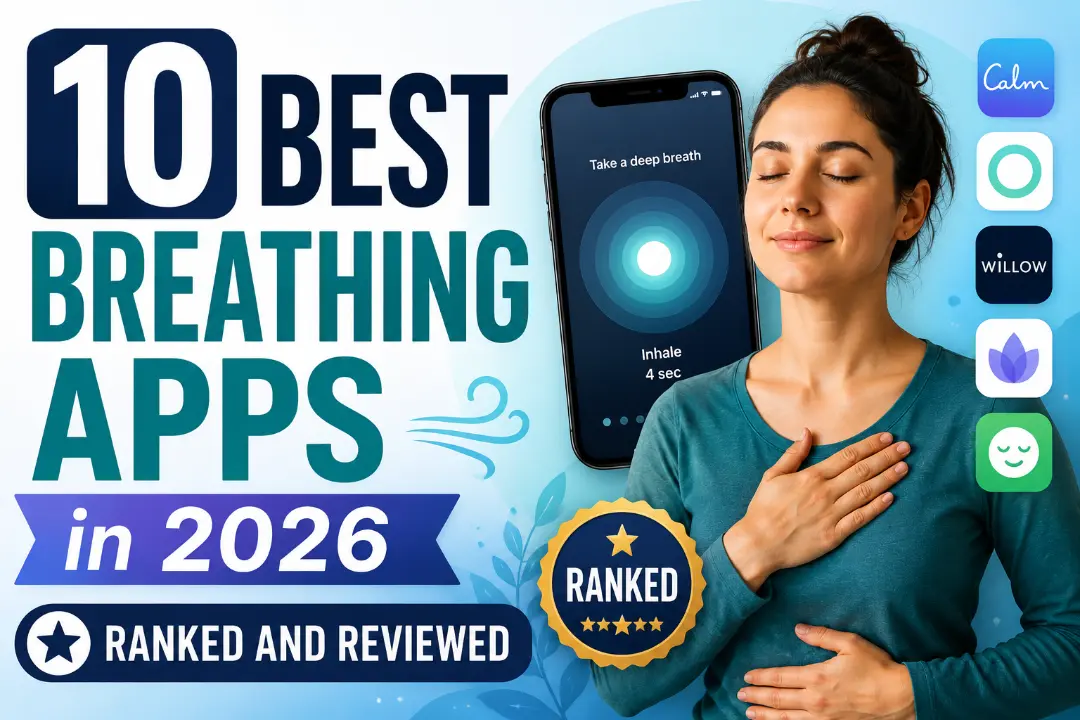
10 Best Breathing Apps in 2026 (Ranked and Reviewed)
We tested the most popular breathing apps so you do not have to. Here is an honest look at the 10 best breathing apps in 2026 - and why QuietFlame comes out on top for people who actually want to build the habit.
-
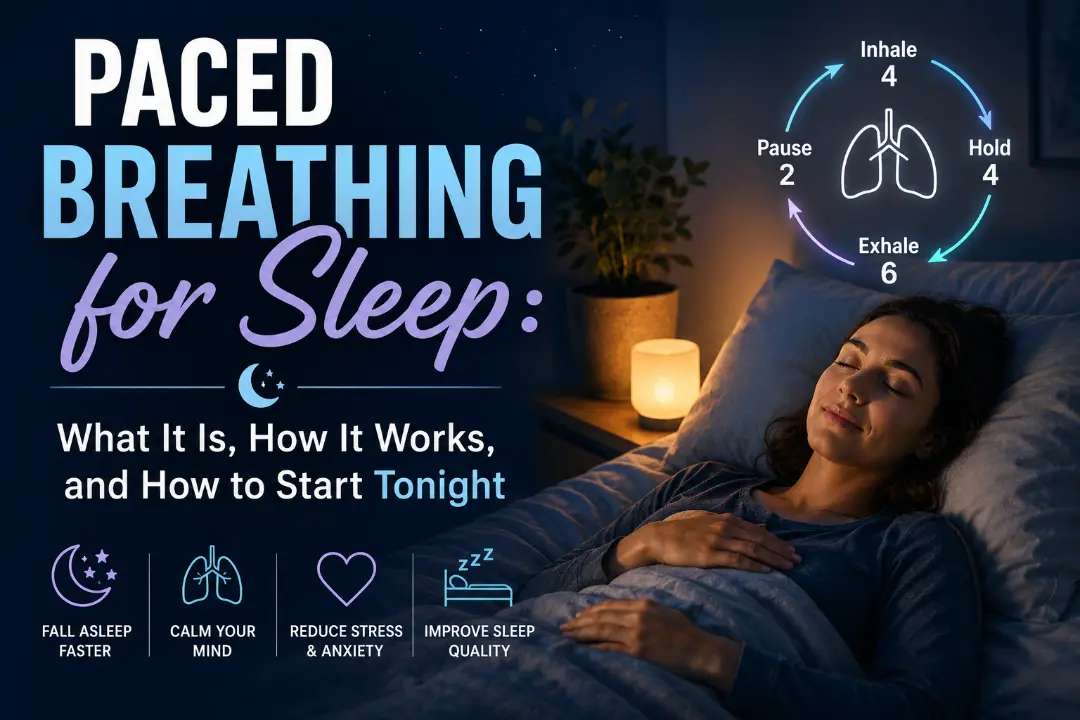
Paced Breathing for Sleep: What It Is, How It Works, and How to Start Tonight
Paced breathing is one of the most effective and accessible tools for falling asleep faster. Here is what it actually is, what happens in your body when you do it, and how to start tonight.
-
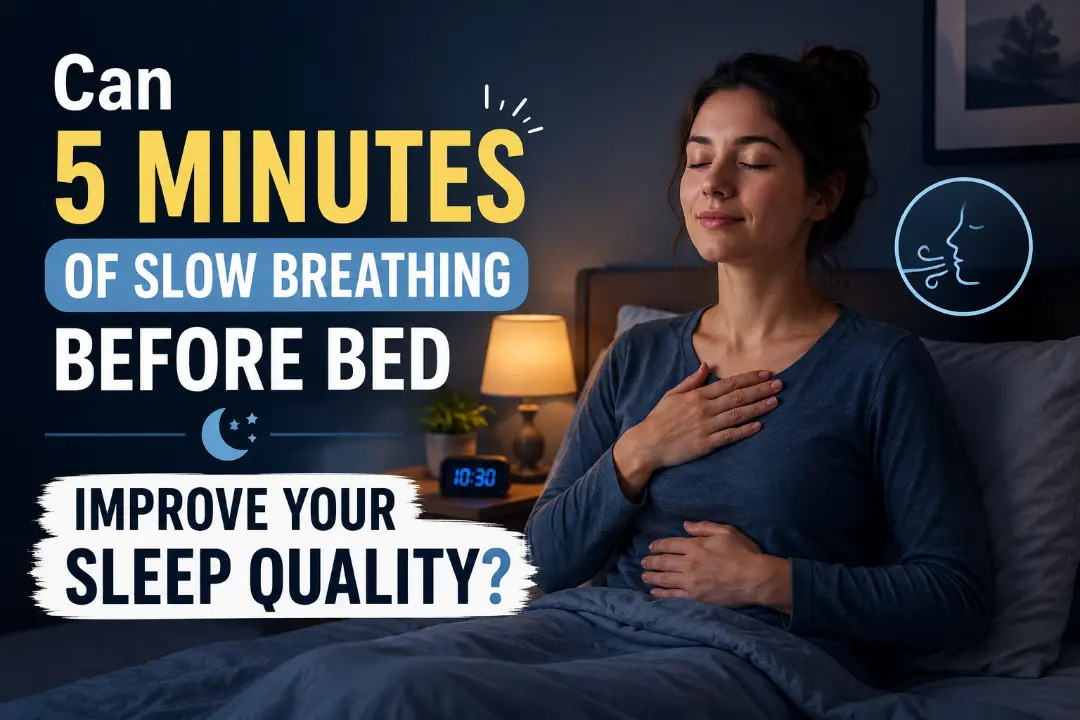
Can 5 Minutes of Slow Breathing Before Bed Improve Your Sleep Quality?
Five minutes sounds too small to matter. Here is what actually happens to your body when you breathe slowly before bed - and why the research is more convincing than you might expect.
-
The Simplest Evening Habit for Stress Relief (Backed by Your Own Nervous System)
You do not need a complicated routine to feel less stressed at night. Your nervous system already has a built-in stress relief mechanism - here is how to use it in five minutes.
-
How to Use Breathing Exercises to Stop Overthinking at Night
Lying awake replaying the day or rehearsing tomorrow? Here is why your mind loops at night - and how breathing exercises can interrupt the cycle in just a few minutes.
-
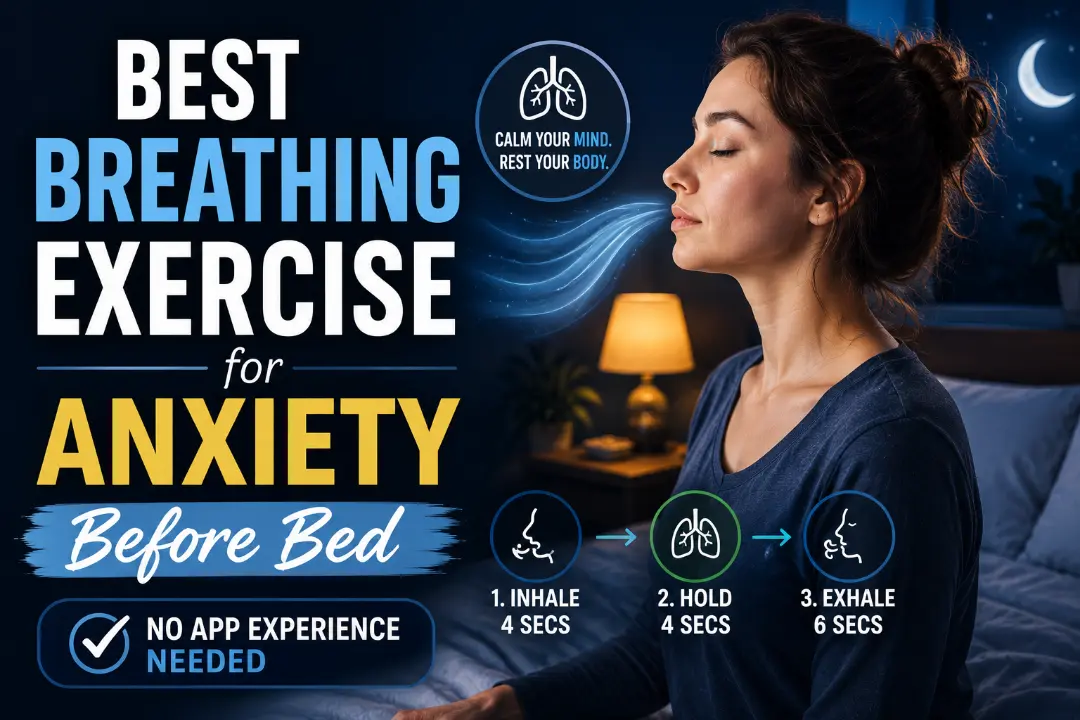
Best Breathing Exercise for Anxiety Before Bed (No App Experience Needed)
If anxiety shows up the moment your head hits the pillow, here is a simple breathing exercise that works without any apps, equipment, or prior experience - and why it helps specifically with anxiety.
-
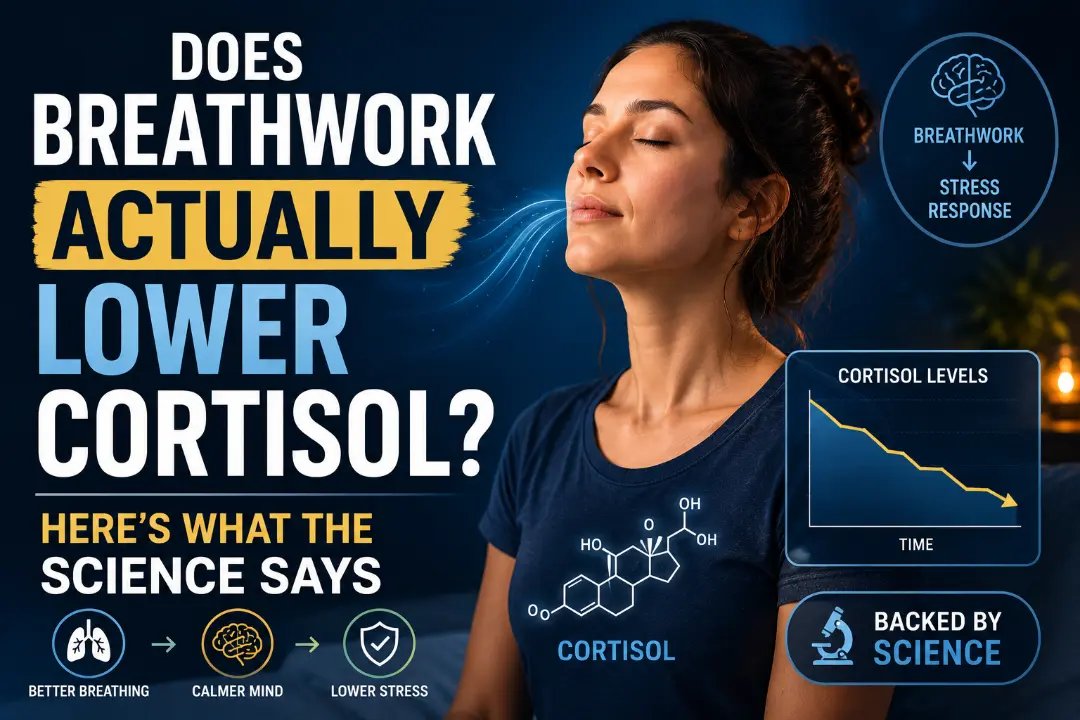
Does Breathwork Actually Lower Cortisol? Here's What the Science Says
Cortisol gets blamed for everything from poor sleep to stubborn weight gain. Here is what cortisol actually does, what the research says about breathwork's effect on it, and how to use breathing realistically as part of managing it.
-
How to Calm Your Nervous System After a Stressful Day at Work
Coming home wired, irritable, or strangely flat after a hard day at work is not a mood problem. It is a nervous system stuck in an activated state. Here is what is actually happening in your body and the specific steps that help it downshift.
-
I Tried a 5-Minute Breathing Reset Every Day for 30 Days
I committed to five minutes of slow breathing every evening for 30 days. Here is what actually changed, what did not, and whether it is worth doing.
-
What Is the Fastest Way to Recover After a Stressful Work Meeting?
A difficult meeting does not end when the call drops or the room empties. Your body carries it forward. Here is what is happening physiologically in the minutes after a stressful meeting, and the specific steps that help you recover faster.