 QuietFlame
Blog
Breathwork science
Evidence-based explanations of how breathwork affects your body — without hype, oversimplification, or wellness theater.
-

How Stress Affects Sleep Architecture (And How Breathing Helps)
Stress can delay deep sleep, fragment the night, and make 3 a.m. waking more likely. Here is how sleep architecture changes under stress — and how an evening breathing reset helps.
-

Breathwork for Better HRV: What the Research Actually Says
Breathwork can influence heart rate variability, especially with slow paced practice. Here is what HRV means, what the evidence supports, and a practical routine that favors consistency over hype.
-

Coherent Breathing (5.5 Breaths Per Minute) Explained
Coherent breathing means about 5 to 6 breaths per minute — often ~5.5 — with a smooth equal inhale and exhale. Here is what it is, why people use it, and how to practice.
-

Why Deep Breathing Sometimes Makes Anxiety Worse
Forced deep breaths can increase dizziness, air hunger, and panic. Here is why that happens — and the gentler longer-exhale approach that usually works better.
-

Vagus Nerve Breathing Exercises Explained (What Actually Works)
Vagus nerve breathing is mostly longer-exhale, slow paced breathing — not mystical hacks. Here is what the phrase means, what helps, and how to practice tonight.
-

Wim Hof vs Slow Breathing for Sleep: Which Helps More?
Wim Hof breathing is high-arousal by design. Slow evening breathing is built for downshifting. Here is which helps sleep more — and when each belongs.
-
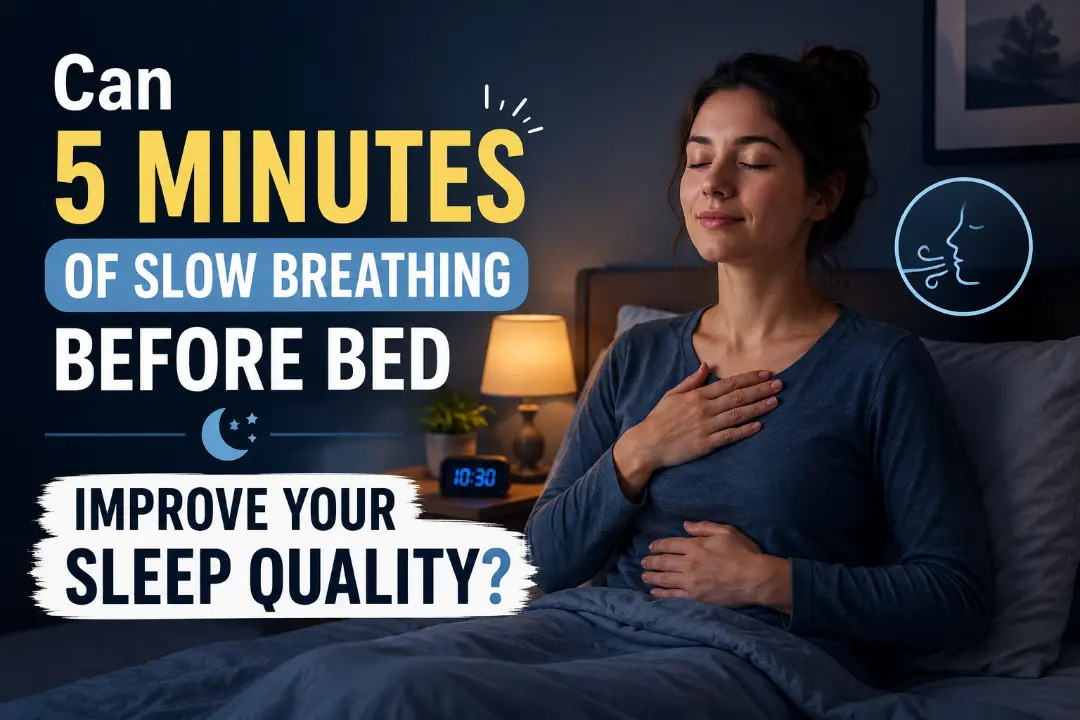
Can 5 Minutes of Slow Breathing Before Bed Improve Your Sleep Quality?
Five minutes sounds too small to matter. Here is what actually happens to your body when you breathe slowly before bed - and why the research is more convincing than you might expect.
-
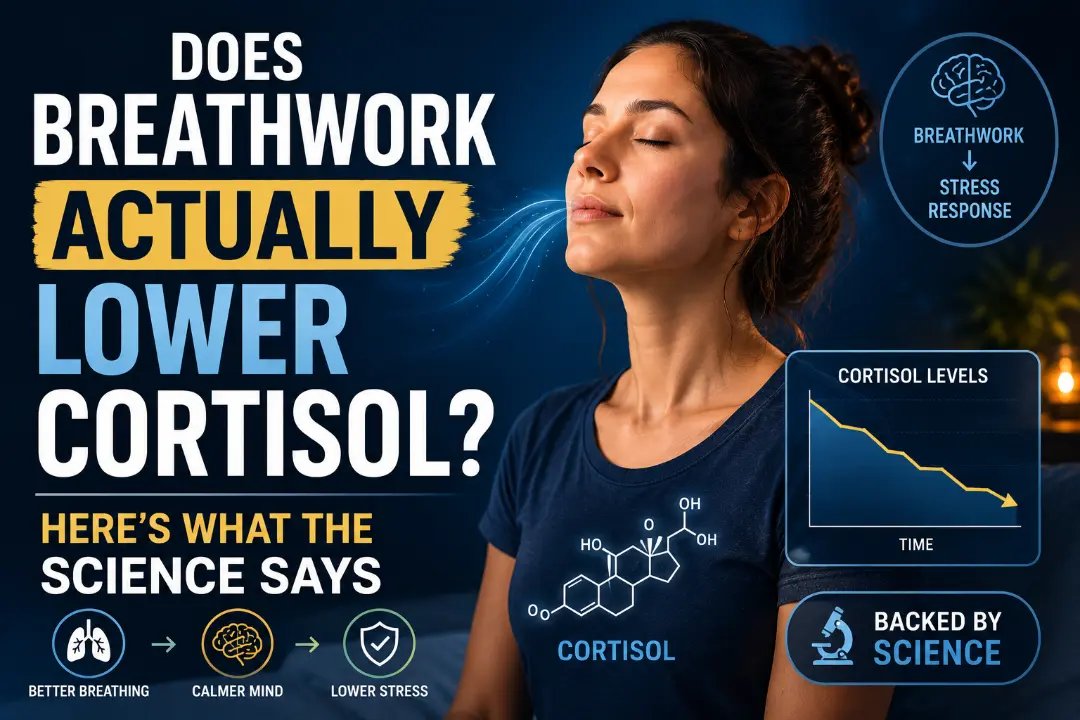
Does Breathwork Actually Lower Cortisol? Here's What the Science Says
Cortisol gets blamed for everything from poor sleep to stubborn weight gain. Here is what cortisol actually does, what the research says about breathwork's effect on it, and how to use breathing realistically as part of managing it.
-
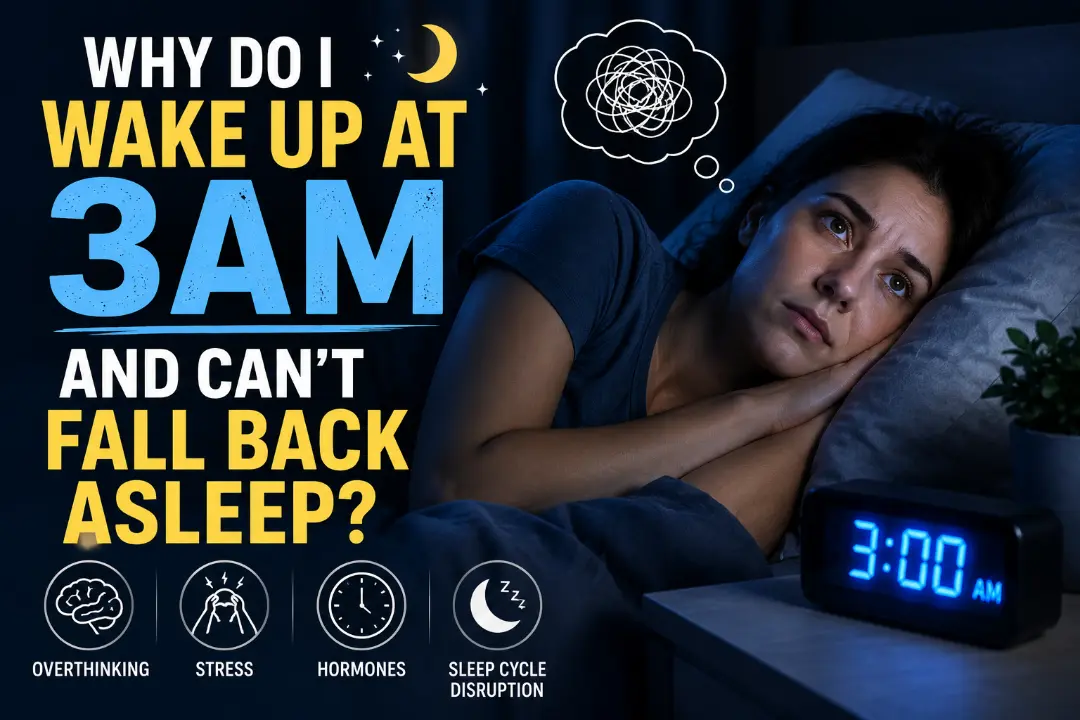
Why Do I Wake Up at 3am and Can't Fall Back Asleep?
Waking at 3am isn't random and it isn't insomnia in the way most people think. Here is what is actually happening in your body at that hour, and the specific steps that help you fall back asleep instead of lying there watching the clock.
-
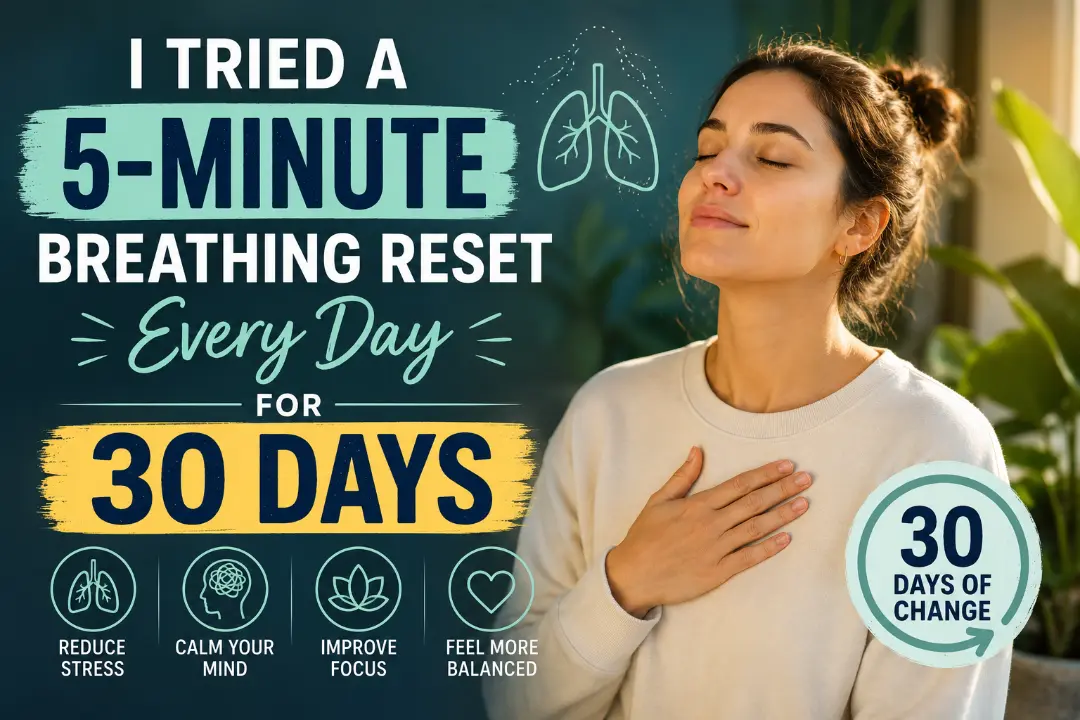
I Tried a 5-Minute Breathing Reset Every Day for 30 Days
I committed to five minutes of slow breathing every evening for 30 days. Here is what actually changed, what did not, and whether it is worth doing.